

Dr. Fedup, or How I Learned to Stop Paying to Stream and Self-Host Myself
 determined
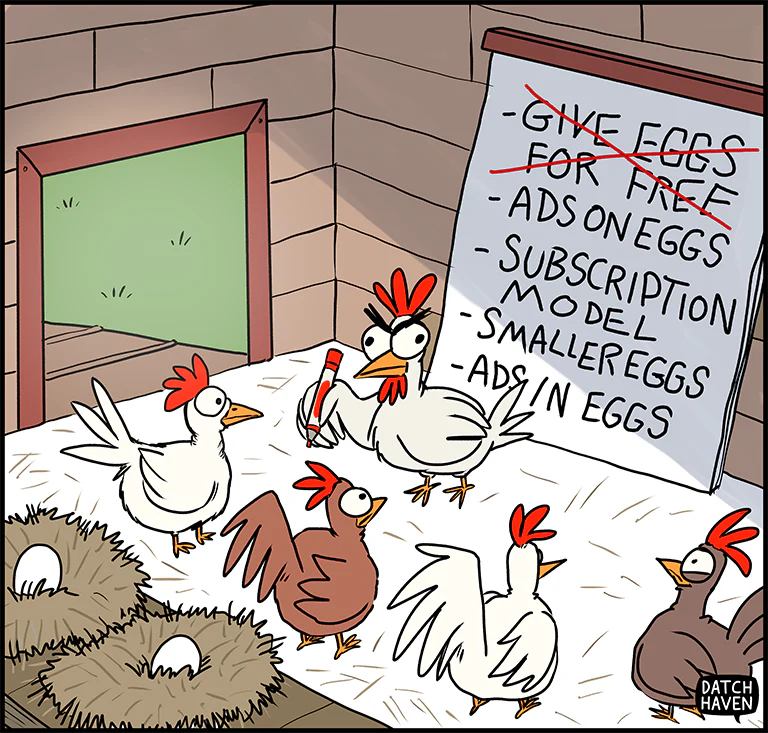
I’d like to thank Spotify for raising their rates two years ago for pushing me to accept the fact that the continued enshittification (thanks Cory Doctorow for the word) will not relent, that we will keep getting screwed by subscription services, that we are products, and that I need to take my data back.
It set me off on a journey of self-hosting. I started with a two-bay Synology NAS and realized that I was quickly running out of space to hold my entire media library as well as my archive of photos, videos, documents, stories, and memories. I upgraded to a 4-bay NAS (DS9723+) sporting 2x 10TB and 2x 14 TB drives. Those are sitting at about half full, so a cool 12.1 TB of data currently stored, with a redundant copy.
I’ve lost too much data over the years. Had data in too many damn places. It’s been a years-long journey to pull out from so many different cloud services. Google Drive, Dropbox, Flickr, Smugmug, iCloud (still in progress)… Google Photos was an absolute P.O.S. to get clear from. Had to do a Google Takeout and then install a standalone script which mated metadata back to the original files. Really, it’s been years, but I’m nearing the end of the migration.
So, in lieu of Spotify charging me an extra $2/mo, I must be at least $1,200 in, and hundreds, maybe thousands, of hours. But it wasn’t just Spotify, right? It was Netflix, and Google Drive, and Google Business, and iCloud, and SmugMug, and Flickr, and G!d knows what other clouds I’ve been able to let go of. I figure it pays for itself within 2-3 years. And the capabilities it’s given me, the ability to access all my files, everything, everywhere, all at once.
Synology 4-Bay NAS
Jellyfin media server running multiscrobbler for last.fm integration
Manet for streaming on iOS
Swinsian for playing music on my local network
*arr stack (Radarr, Lidarr, Sonarr, Prowlarr) connected to Qbit and SBNZBD, sitting behind a gluetun/flaresolverr tunnel
Along the way, I’ve learned so much about networking, proxies, reverse proxies, nameservers, Docker, YAML composes, github, VPNs, metadata, bulk file management, automation, UPS power backups, and just general troubleshooting.
And now I have an incredibly versatile, shareable, flexible, and useful server that makes it possible for me to access every song, movie, photo, and document I need at any moment, anywhere I am. Power costs are negligible, and my monthly subscription costs have jumped from around $60-80/mo to about $3/mo.
I’ve built tools to upload my business receipts to my server with a web app on my phone. And as I’ve been venturing deeper into AI development, I’ve discovered how to build github repos and have them hosted on vercel to build web tools to my liking.
I’ve picked up a scanner and a shredder. I can scan what I need and shred it to oblivion, which has been a blessing for a collector (NOT A HOARDER!) who sometimes wants to keep the original object but sometimes just wants to make sure I keep the document somewhere I can access later.
We are watching the internet disappear before our eyes. Digital archives are under attack, both through legal and extrajudicial means, with the record industry attacking Archive.org for hosting 78’s, an astonishingly uncommercial venture.
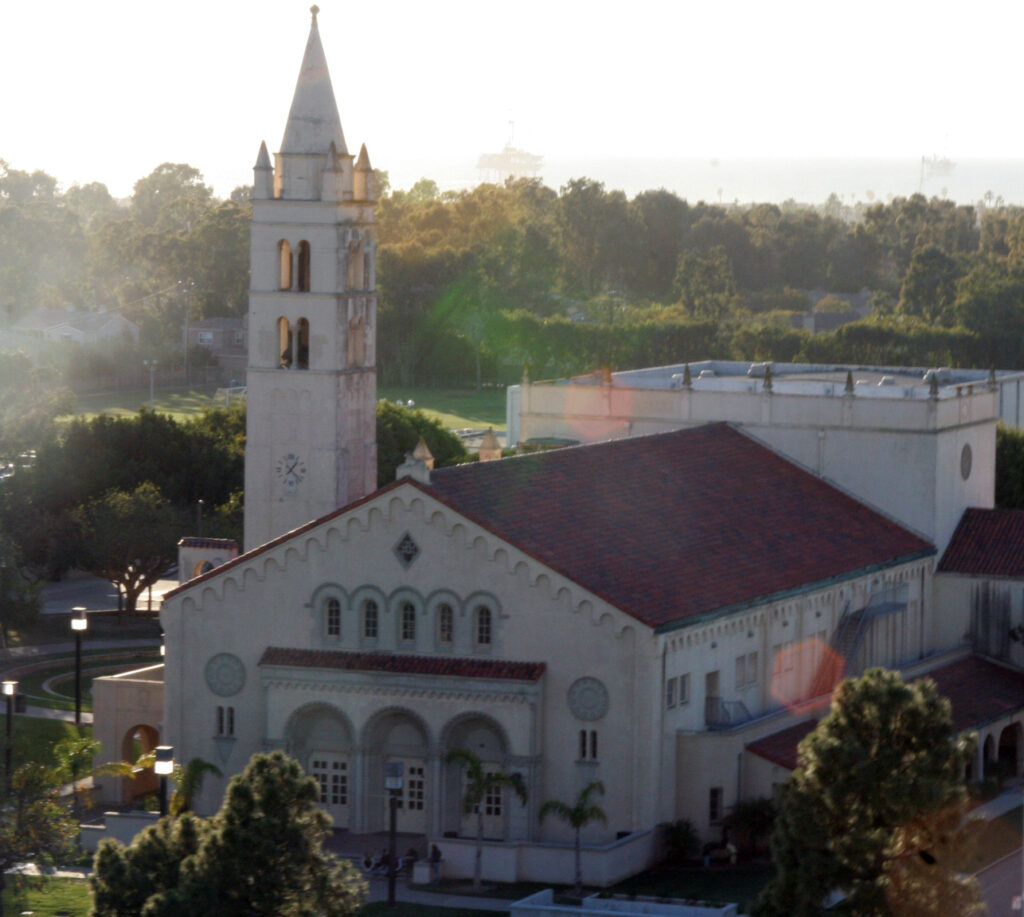
Over the last few years, Flickr imposed file limits, carte blanche, on all of its free accounts, not making a carve out for photos licensed into the Creative Commons. Notably, they saved them from deletion, but ended any manner of which to encourage people to host any new CC photography. I was an early adopter of Creative Commons licensing for my photography, from the days when I got my first digital camera. I remember licensing a photo I took of Huntington Beach High School onto Wikipedia when I was the photo editor for our 100th graduating class. Those pictures are *STILL UP*, 20 years later.
But now all of my CC photos are gone from Flickr. I cleared the entire account out. And it’s just one small example of the disappearing internet (see: Dead Internet Theory). Forums which once held troves of niche information have disintegrated into the aether as the site owners die and hosting bills go unpaid. Archives that were once available to the public are hidden behind paywalls or just deleted completely. And I still have scars and residual anger over the great Myspace deletion (side-eyeing you, Justin Timberlake).
So I’m building my own personal archives. I’m pulling down YT videos, saving articles, and digitizing CDs, records, magazines, and the various physical ephemera surrounding me. CDs are cheap as hell right now, by the way. As are books, as long as the USPS doesn’t scrap media rate shipping.
It’s been my own quiet resistance against the enshittification of our once optimistic tech horizon. This blog’s new design is a relic back to the early days of Web 2.0, when we were still able to customize our profiles, to self-express, to share, to discover, to hack and to hoard.
P.S. HUGE shoutout to Dr. Frankenstein, whose guides were crucial to getting me up and going figuring out how to do any of this.